BESS containers (lithium batteries) are Class 9 dangerous goods — high value, fire-sensitive and subject to strict transport and storage requirements. We turn every step from the factory door to the ship's rail into a standard procedure: compliance pre-check, professional securing, documentation and declaration, insurance and blockchain records — traceable end to end.
The process below applies to BESS containers and all kinds of lithium battery products shipped as ocean FCL, tailored to the actual cargo of each project.
The key to booking dangerous goods is thatdocuments come before cargo. Space is only truly secured once the following documents are complete and approved by the carrier:
Stuffing qualification: If the factory is not qualified to stuff containers, we provide the DG warehouse details and move the container to a vetted DG facility for stuffing.
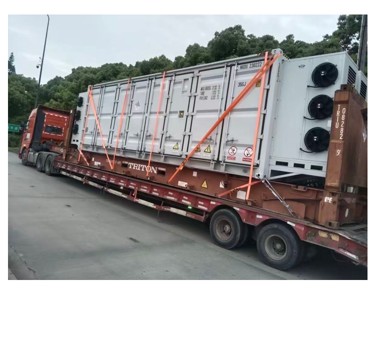
Vehicle requirements: Use a DG low-bed trailer fitted with shock-absorbing equipment andmonitor vibration throughout the journey, so the BESS container reaches the yard undamaged.
Lifting plan: Use a crane (crawler or mobile) or hydraulic lifting and skidding equipment to place the BESS container safely onto the flatbed or into the flat rack;the cargo centre of gravity must be confirmed as aligned with the centre of the bed。
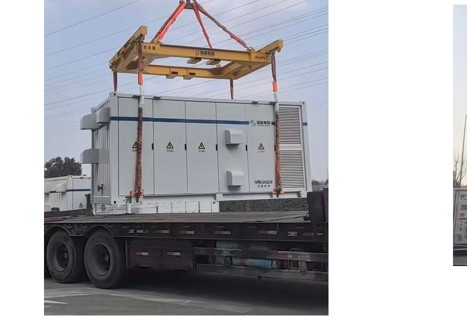
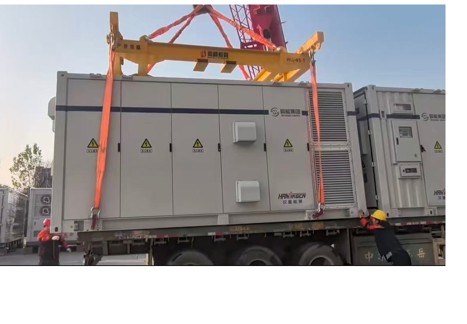
We use high-strength lashing straps (10-tonne grade), chains, turnbuckles and welded triangular chocks to fix the base of the BESS container to the flat rack or chassis withmulti-point rigid fixation。
Precise upfront diagnosis: our technical team steps in at the quotation stage and performs afree transport compliance pre-checkon the BESS container against the latest IMDG Code, Chinese maritime regulations and destination port requirements — determining precisely whether the cargo is UN 3536 or another UN number, so a wrong classification never derails the whole shipment. We also issue a BESS Export Compliance Roadmap setting out the required test reports (such as UN 38.3), appraisal documents and key deadlines.
Carrier channel advantages: long-standing, deep core booking agency relationships with mainstream and specialist DG carriers (MSC, CMA, COSCO, ONE and several lines focused on new-energy cargo) give uspriority and stable DG space, securing space even when the market is tight; ourpre-review channelmoves technical documents into the carrier's review process earlier, greatly improving approval turnaround.
Worry-free documentation and declaration: our in-house DG declaration specialists are fully versed in the Shanghai MSA Dangerous Goods Operation Declaration System and customs declaration — from reviewing the Cargo Transport Conditions Appraisal to properly signing the Container Packing Certificate, ensuring documents meet official requirements 100% and pass first time. We actively manage maritime inspections and coordinate efficiently thanks to deep familiarity with inspection procedures at every Shanghai terminal, minimising impact on the logistics plan.
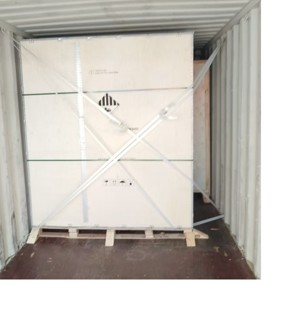
Safe on-site operations: all partner DG warehouses are strictly vetted, and trained staff are assigned to supervise the entire stuffing process — lashing and fixation, insulation treatment andClass 9 DG placards and UN number markingfully compliant with the IMDG Code and carrier requirements, with wide-angle and detail photos retained as part of the packing certificate. If unplanned yard storage changes, schedule changes or spot checks occur, our on-site team liaises directly with the terminal, MSA and shipping agent without delay.
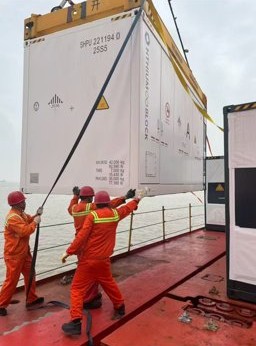
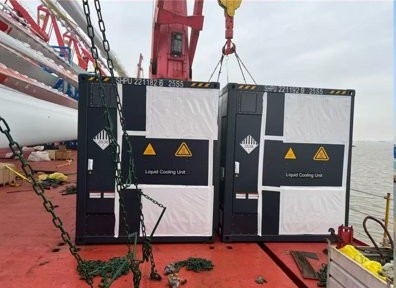
Physical damage to BESS containers (transport vibration, handling impact, stacking pressure) andthermal runaway risk (internal short circuits and temperature runaway causing fire) are the two core exposures. We provide atailored all-risk cargo insurance solution from the origin warehouse to the destination port, and help design broader cover to suit the product's characteristics —every shipment is insured, and the terms and policy are delivered with the shipping documents。
Library of typical operational risk contingencies: standardised prevention and response measures cover common risk points such as battery SOC management, high-temperature summer transport and long-distance trailer vibration.
1×20HQ SOC FCL · carried by Maersk MATILDE MAERSK · Shanghai → Rotterdam → Gothenburg, full tracking available
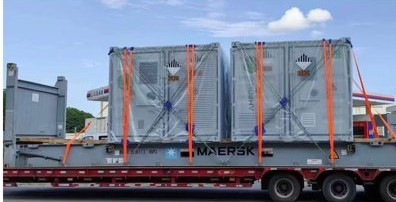
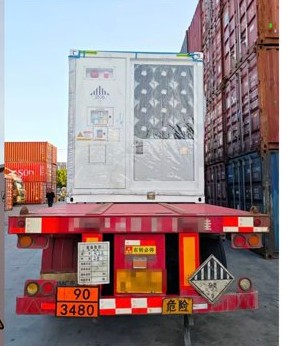
Send us photos, dimensions and weight and we will reply within 24 hours with a tailored plan and compliance roadmap.
Business & enquiries:samuel.chen@dream-logistics.tech